Impact Hub
Studio De Schutter
Impact Hub
Studio De Schutter
A co-working space in Berlin has won a Build Back Better GREEN award for its truly sustainable lighting design.
A co-working space in Berlin has won a Build Back Better GREEN award for its truly sustainable lighting design.
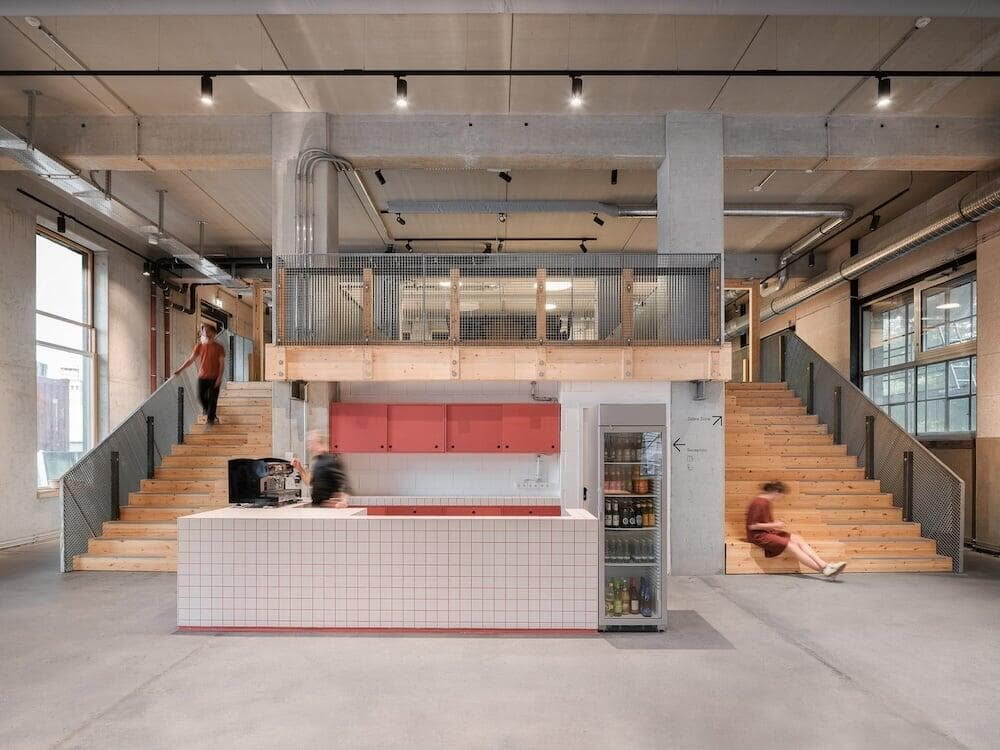
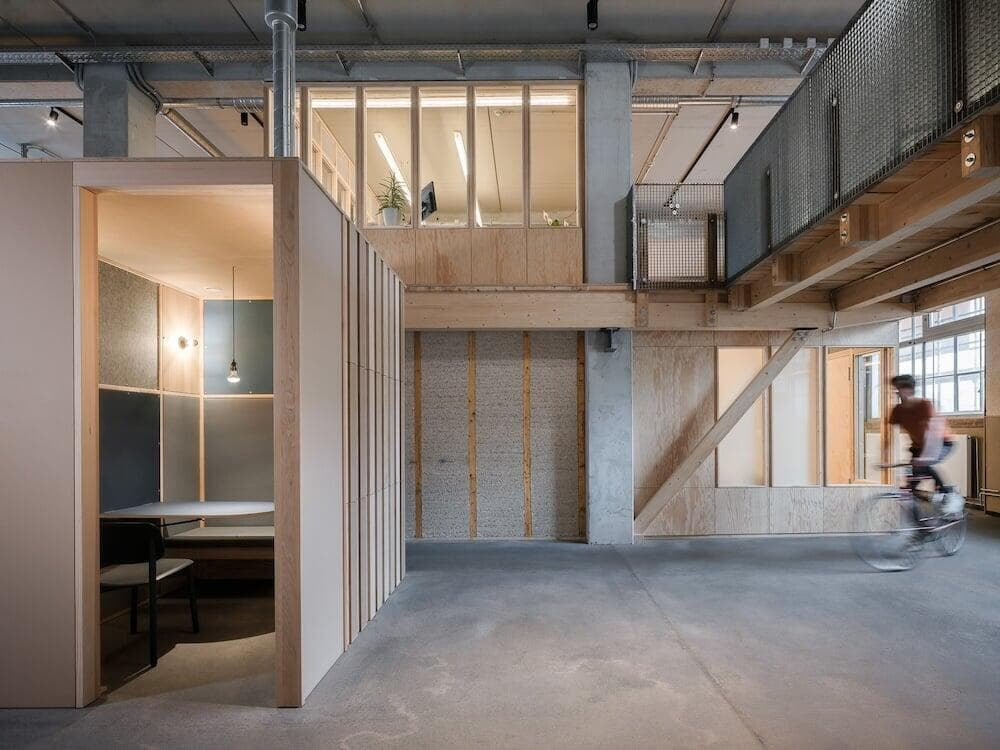
Rather than selecting luminaires from catalogues, Studio De Schutter approached the project by asking how existing materials, natural daylight and reclaimed products could become the foundation of the lighting concept for Impact Hub Berlin.
Circularity was not treated as an environmental add-on, but as the primary design driver.
Working within one of Germany's leading circular construction projects required a fundamentally different design process.
Around 70 pre cent of all the building materials were recycled, upcycled or sustainably sourced, demanding extensive research, product sourcing and close collaboration across disciplines.
Instead of relying on conventional supply chains, the practice embraced a different philosophy: design follows availability.
Existing luminaires, surplus materials and readily available components became the starting point of the design, demonstrating that circular solutions can achieve the same technical performance and architectural quality as entirely new installations.
This approach challenged the traditional role of the lighting designer. Rather than specifying products from catalogues, Studio De Schutter developed bespoke lighting solutions from what was available.
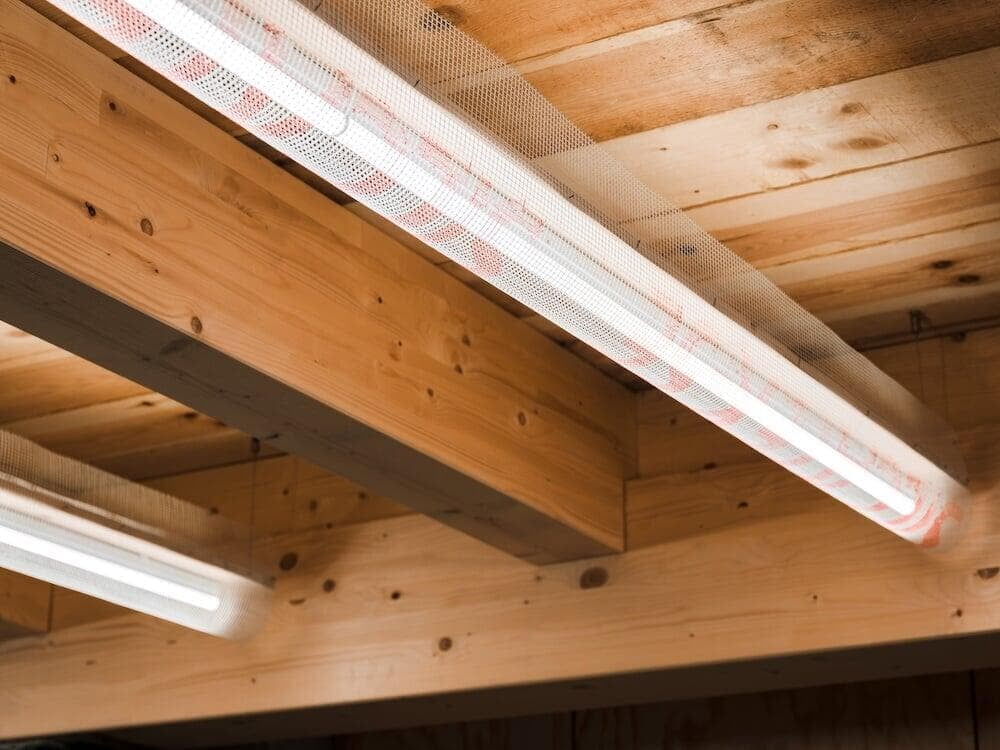
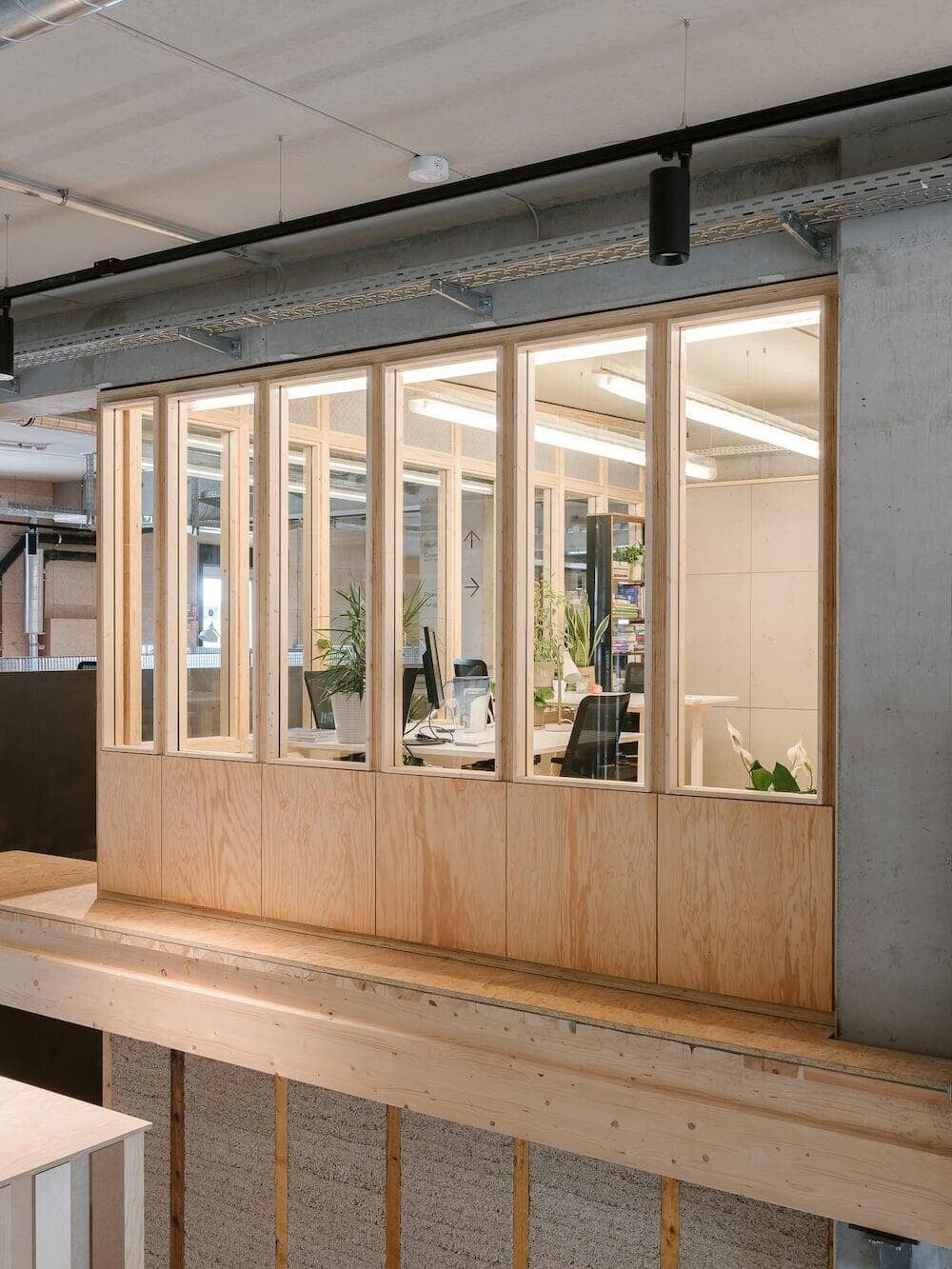
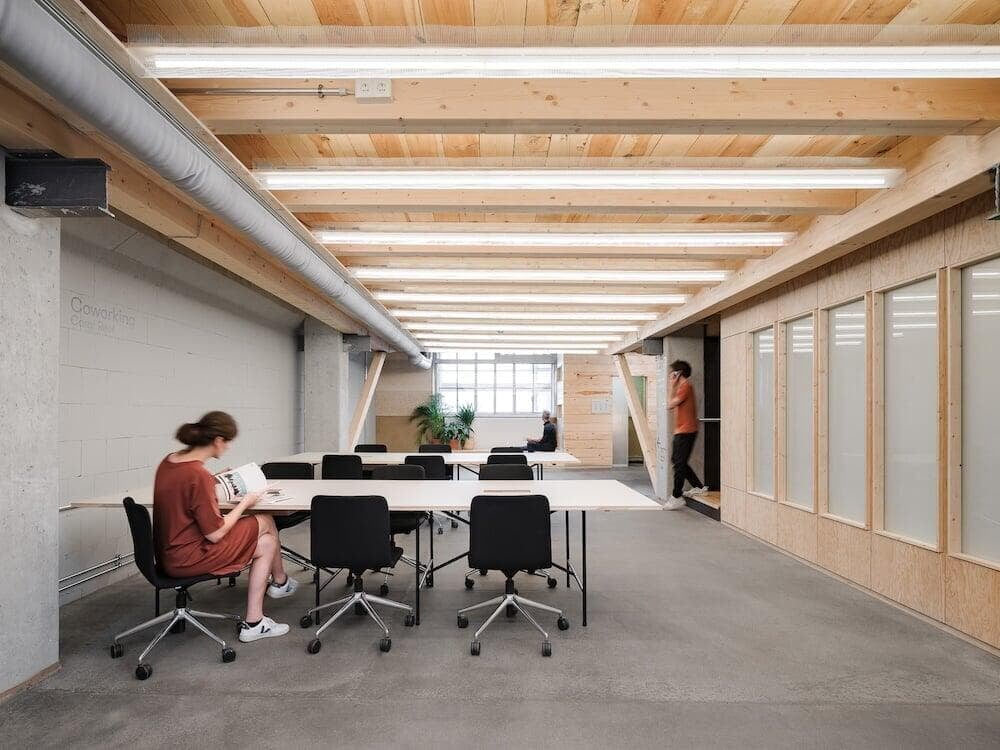
Standard components were transformed into pendant luminaires using reclaimed timber slats, LED light sources and industrial fabric to reduce glare, while former recessed luminaires were given a second life as surface-mounted fixtures in new locations.
Each luminaire carries a story, making the history of the objects visible instead of concealing it. The entire process was developed through close collaboration with LXSY Architects, the client and other disciplines on site, with prototypes and mock-ups ensuring every solution met both technical, and aesthetic requirements.
Environmental leadership extended beyond the luminaires themselves. Extensive daylight studies informed the interior layout and the grouping of lighting circuits, allowing artificial lighting to respond to daylight availability and occupancy.
This integrated approach reduced energy demand while creating healthier, more comfortable workspaces for a diverse community of users.
Impact Hub Berlin demonstrates that circular design is not simply about reusing products, it is about redesigning the entire design process. By combining reuse, daylight optimisation, adaptable lighting systems and creative material sourcing, the project provides a scalable model for future workplaces where environmental responsibility, social wellbeing and design reinforce one another.
Client: Impact Hub Berlin
Lighting Design and consultancy: Studio De Schutter
Architect: LXSY Architects
Electrical Installation: Elektrotechnik Elaro GmbH
Photography: Studio Bowie