Chapter Spitalfields
Lightology
Cucumber Controls
Chapter Spitalfields
Lightology
Cucumber Controls
A retrofit project, where high tech sensors solved a problem of Wi-Fi interference with the lighting controls at one of Europe’s largest student accommodation buildings, has won a Build Back Better GREEN Award in the lighting category.
A retrofit project, where high tech sensors solved a problem of Wi-Fi interference with the lighting controls at one of Europe’s largest student accommodation buildings, has won a Build Back Better GREEN Award in the lighting category.
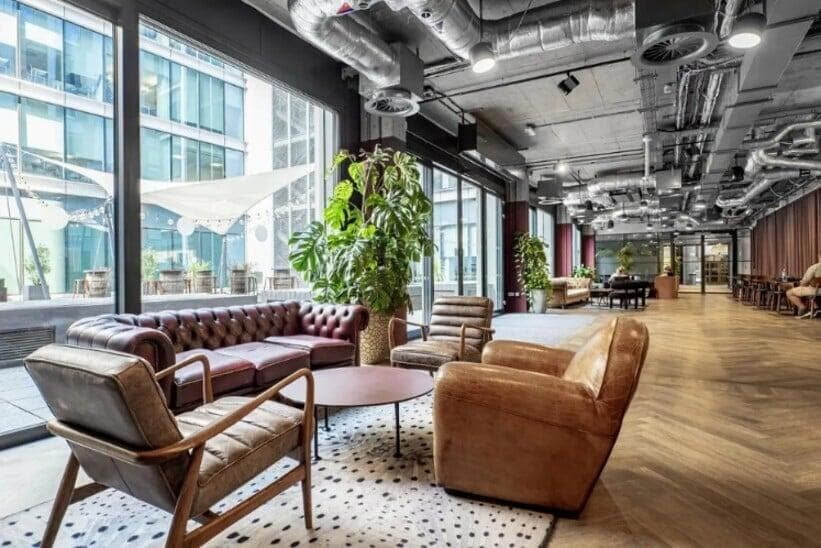
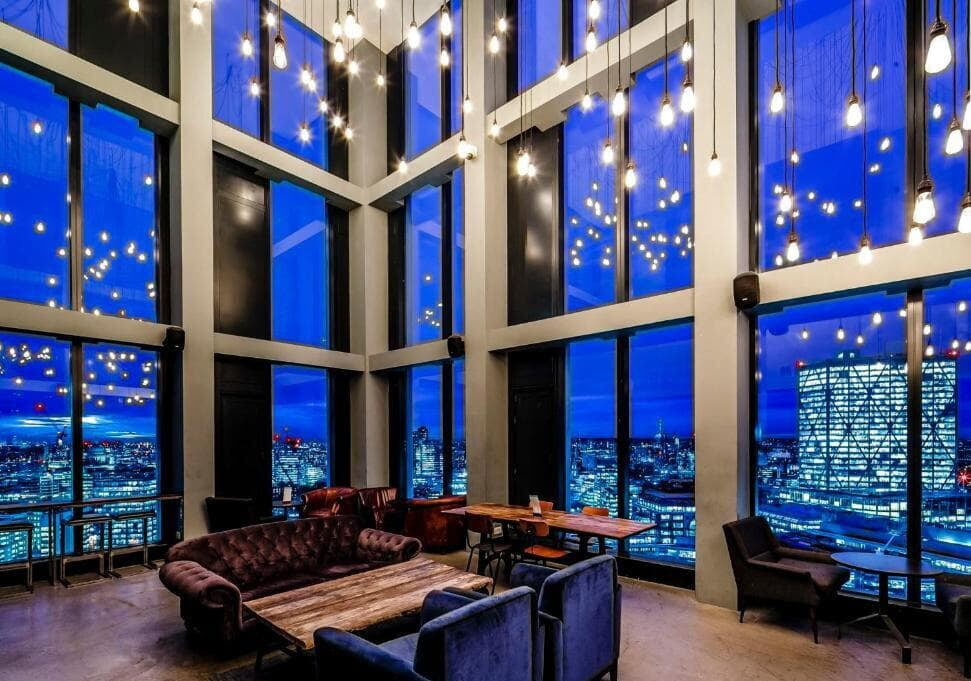
Greystar's Chapter Spitalfields is a landmark student accommodation development spanning more than 30 floors.
A recent lighting upgrade significantly improved the quality of illumination throughout the building, but the lighting controls failed to deliver the expected performance.
A combination of sensors from different manufacturers, inconsistent operation and the absence of a clear controls strategy meant lighting frequently operated when it wasn't needed, increasing energy consumption while leaving the facilities team unable to make meaningful adjustments.
A review led by Dave Tilley of Lightology identified an unexpected root cause: interference between the building's Wi-Fi network and the installed microwave occupancy detectors.
In a student accommodation environment with hundreds of connected devices, this resulted in false triggering, unreliable detection and lighting remaining on unnecessarily.
To resolve the issue, Lightology recommended 24GHz microwave detectors which operate outside the Wi-Fi frequency band. Manufactured by Cucumber Lighting Controls, these sensors operate in the so-called K band and feature intelligent signal analysis.
A live trial immediately demonstrated reliable occupancy detection, eliminated false triggering and delivered performance in line with the manufacturer's published specifications.
Following the successful trial, Greystar approved the installation of more than 550 sensors throughout the building.
The retrofit delivered significant operational, environmental and safety benefits while making full use of the existing infrastructure:
• Lighting timeout settings were reduced from an ineffective 20 minutes to just 4 minutes, ensuring luminaires operate only when spaces are occupied. The client is now considering reducing this further to 2 minutes, thanks to the improved detection performance.
• More efficient operation reduces unnecessary energy consumption while extending luminaire life and supporting longer warranty periods from the luminaire manufacturer.
• Wireless communication between luminaires has enhanced emergency escape routes. As occupants move through lobbies and stairwells, lighting activates ahead of them, ensuring a consistently illuminated route at all times.
• Bluetooth wireless technology and an intuitive mobile app allow the facilities team to adjust settings quickly without specialist commissioning visits, reducing ongoing maintenance costs.
• Replacing a mixture of incompatible sensors with a single, unified control platform has simplified system management, giving the facilities team complete visibility and control through one application.
This project demonstrates how intelligent retrofit, rather than wholesale replacement, can unlock significant improvements in building performance. Through careful investigation, innovative technology and a focus on sustainability, Chapter Spitalfields now benefits from a reliable, energy-efficient lighting control system that reduces energy consumption, improves operational efficiency, enhances resident safety and supports Greystar's environmental ambitions.