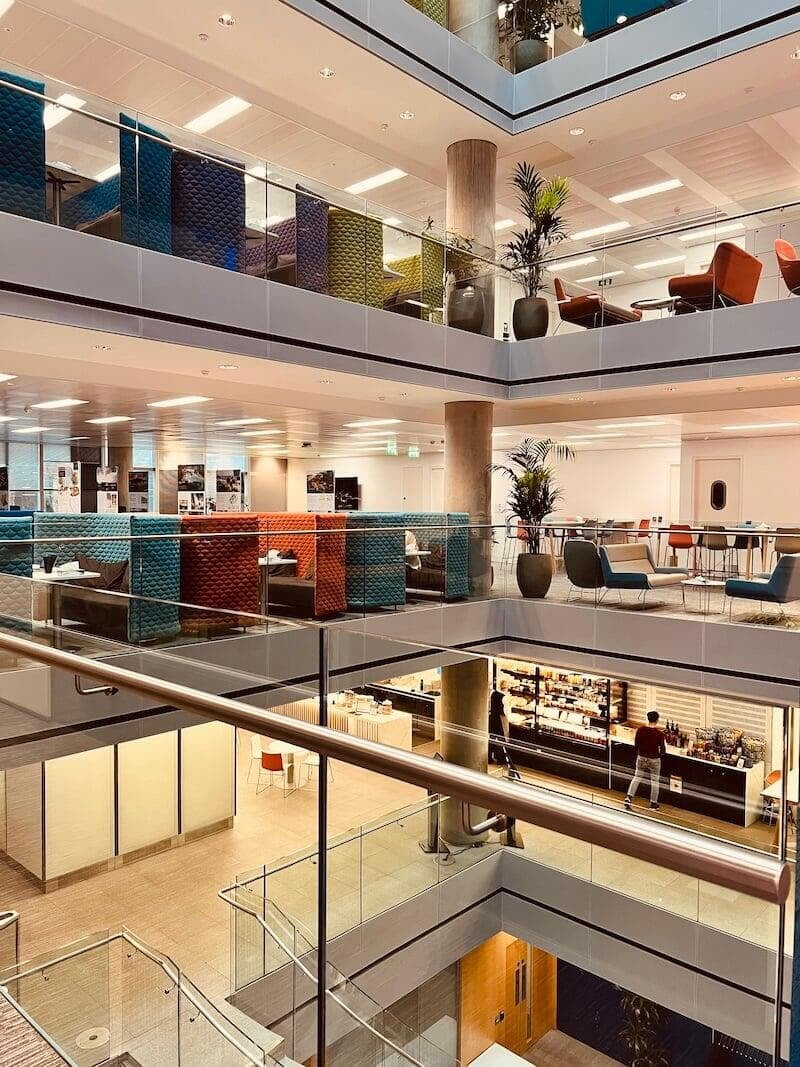
Arup office
London
The Regen Initiative
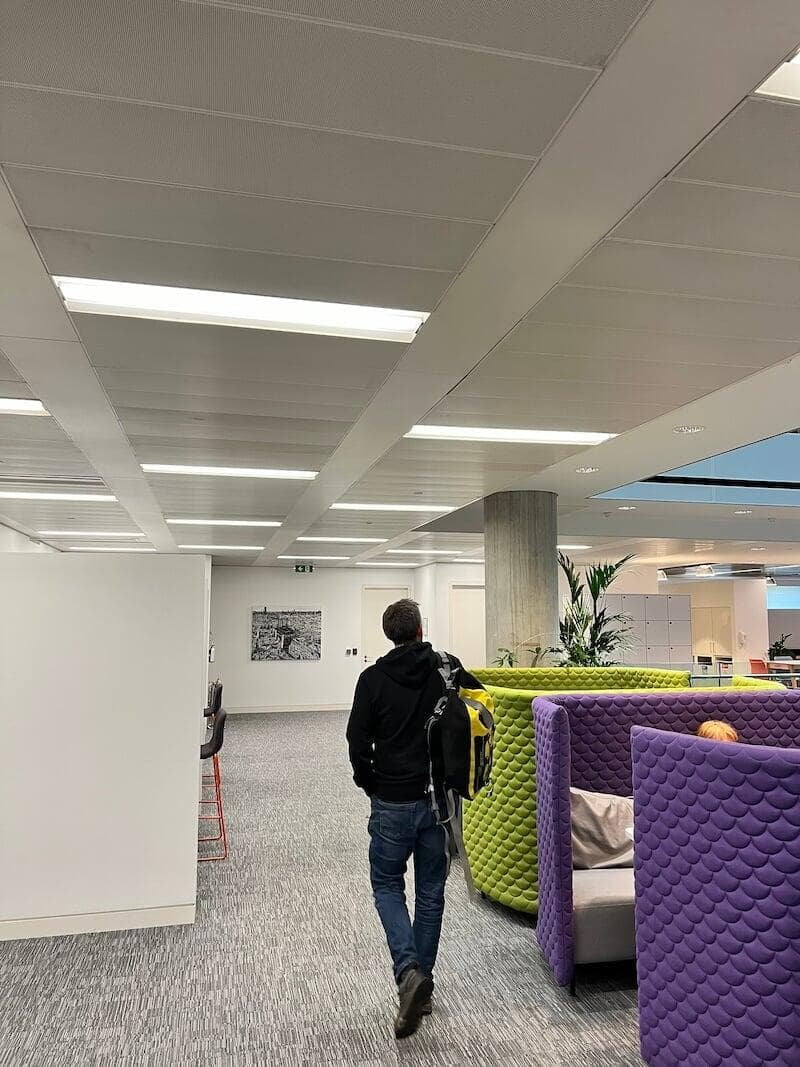
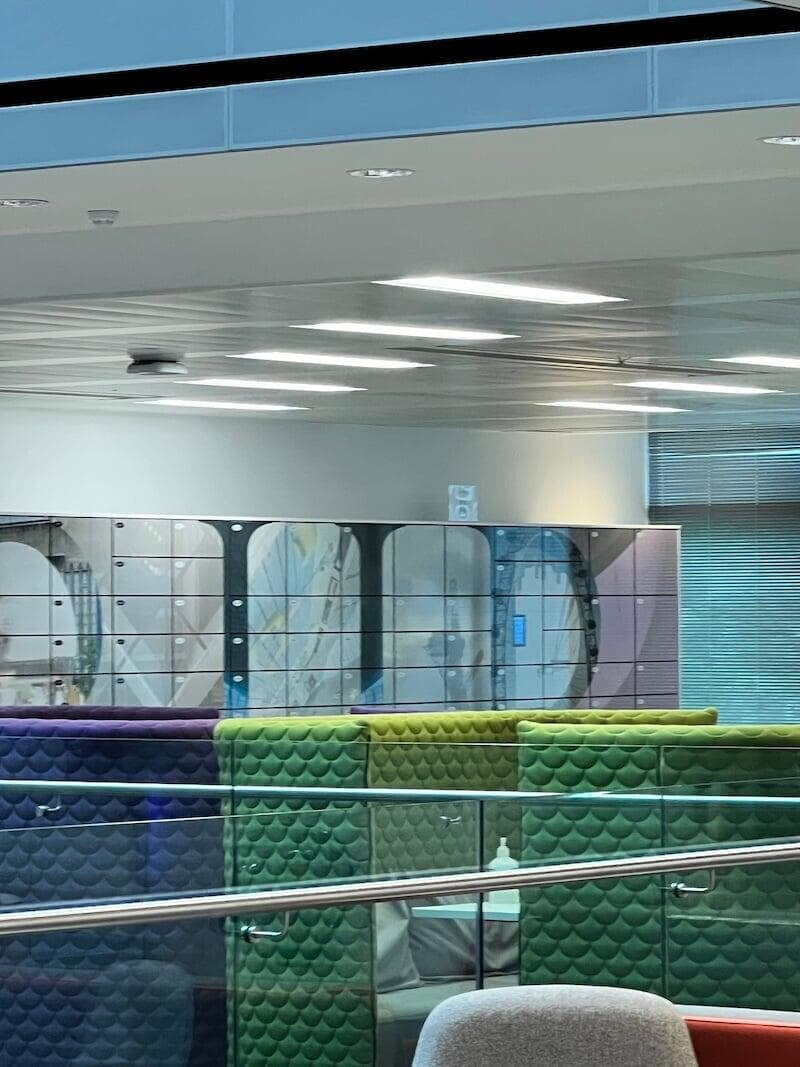
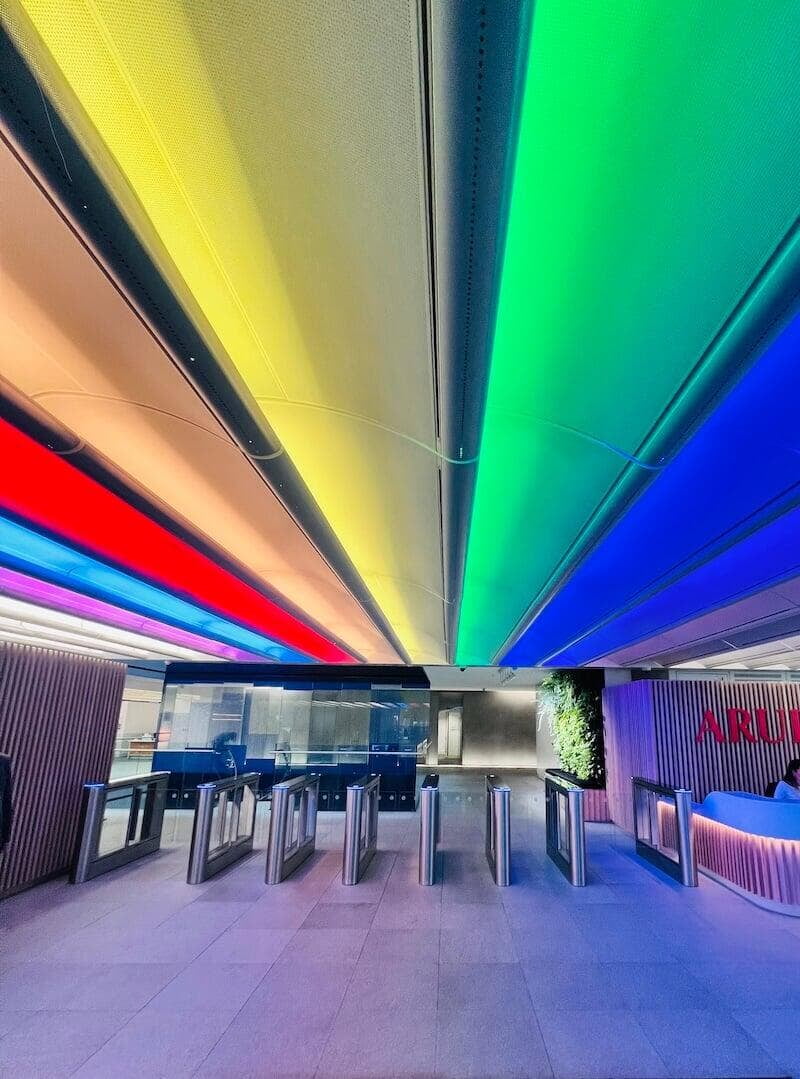
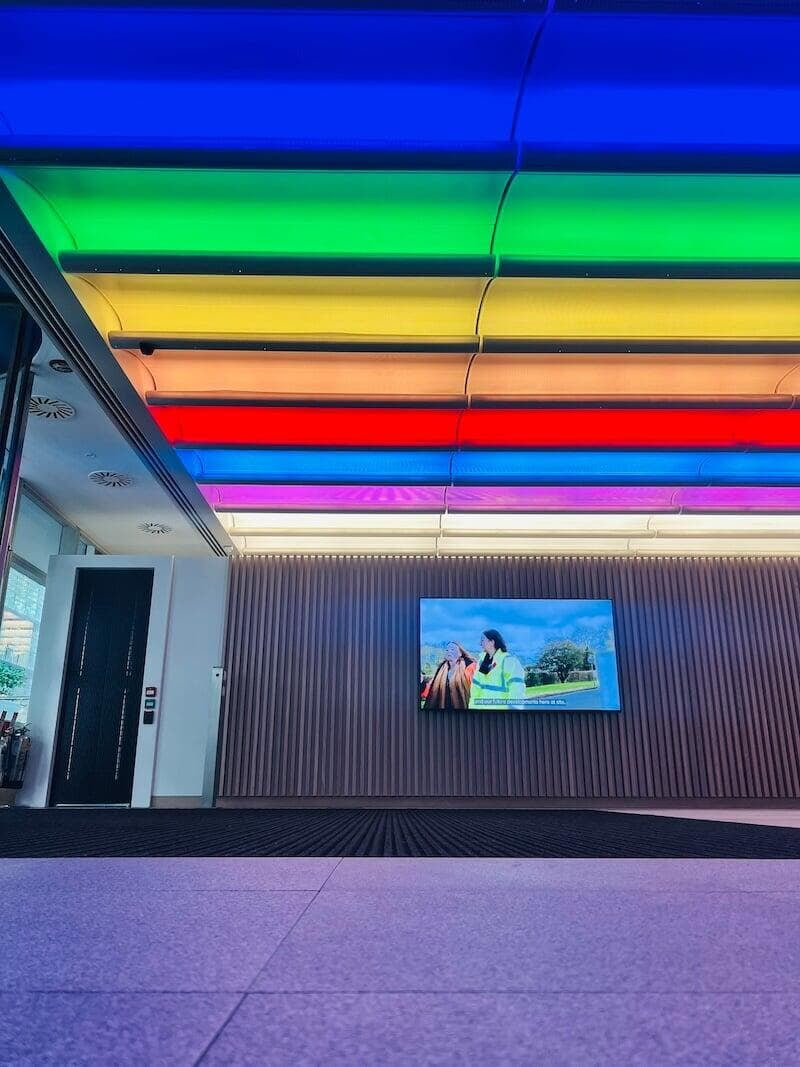
The lighting refurbishment at Arup’s Fitzroy Street office in London has both a Build Back Better GOLD and GREEN Award in the lighting category.
The lighting refurbishment at Arup’s Fitzroy Street office in London has both a Build Back Better GOLD and GREEN Award in the lighting category.
The project, by The Regen Initiative, demonstrates how remanufacture can deliver substantial energy and carbon savings while retaining existing assets, reducing waste and extending the useful life of building components.
To date, around 2,000 luminaires had been remanufactured. The project has achieved a 53 per cent reduction in luminaire energy consumption, while delivering 69 per cent carbon avoidance through remanufacture and preventing 92 per cent of existing components from entering the waste stream.
Initially driven by energy efficiency, rising energy costs and the phase-out of halogen and fluorescent lamps, the project evolved into a broader circular-economy strategy.
Rather than simply replacing existing luminaires with LED fittings, Arup explored whether the existing lighting infrastructure could be retained and remanufactured.
Working with The Regen Initiative, surveys were undertaken to assess the suitability of the existing luminaires for conversion.
The resulting strategy considered component obsolescence, maintenance and operations, circularity, embodied carbon, luminaire standardisation and the future repairability of components.
The lighting controls were also reviewed and upgraded, creating an opportunity to consolidate and improve the original lighting design while introducing daylight linking to further reduce operational energy.
Collaboration was fundamental. Arup, Arup Lighting, CBRE, Simmtronic and The Regen Initiative worked together to develop a practical solution that could be delivered within an occupied commercial building.
The Regen Initiative defined the remanufacturing scope, engineered the LED conversions and produced ‘golden samples’ for approval, while verifying maintained lighting levels and regulatory compliance.
Rather than removing thousands of fittings and sending them into the electrical waste and recycling stream, luminaires were remanufactured on site and in situ.
Delivered across four phases over two years, sections of individual floors were temporarily closed, minimising disruption to occupants and ongoing project work.
Published project results forecast total annual building savings of 237,000 kWh of energy, £117,000 in energy costs and 45.7 tonnes CO₂e.
The project demonstrates that existing lighting should not automatically be considered obsolete when technology or legislation changes.
Through careful engineering, collaboration and circular thinking, existing assets can become the foundation of a high-performance lighting system—reducing operational energy, avoiding embodied carbon and keeping valuable materials in use for longer.