Akershus Fortress, Norway
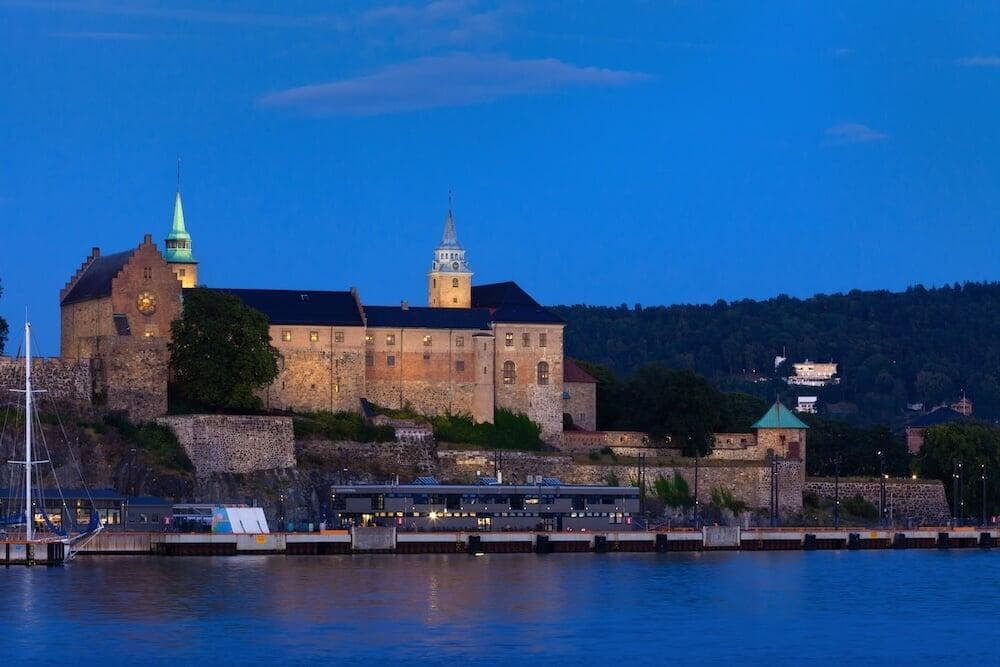
Akershus Fortress, Norway
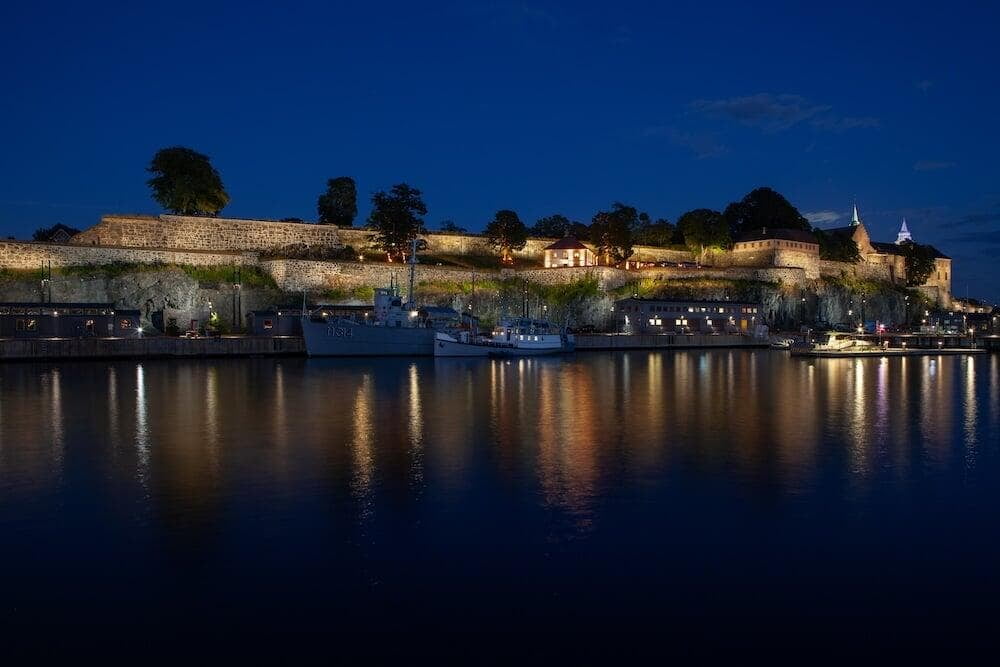
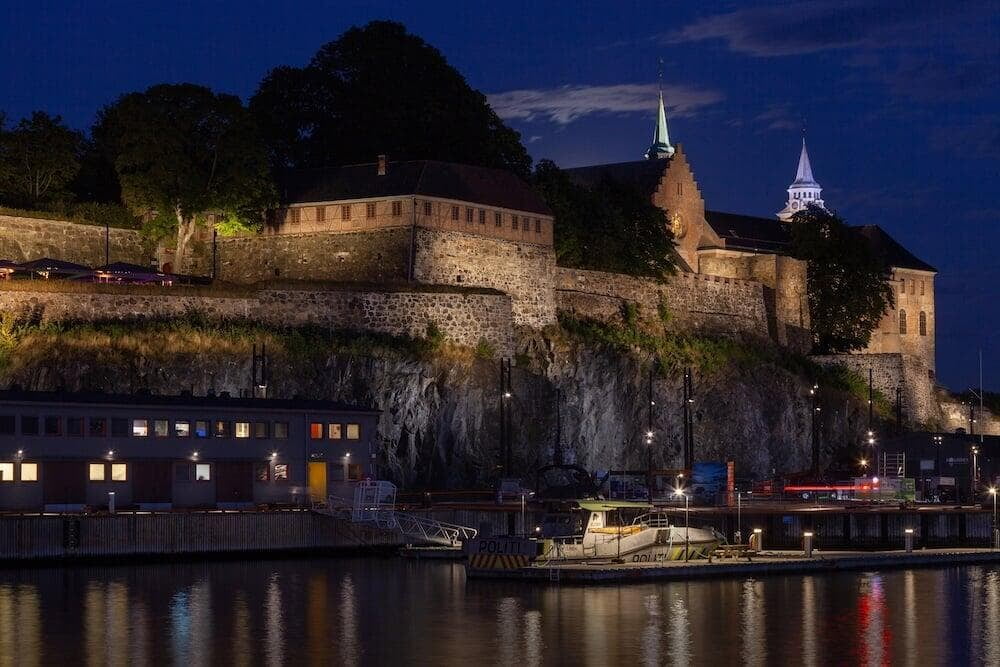
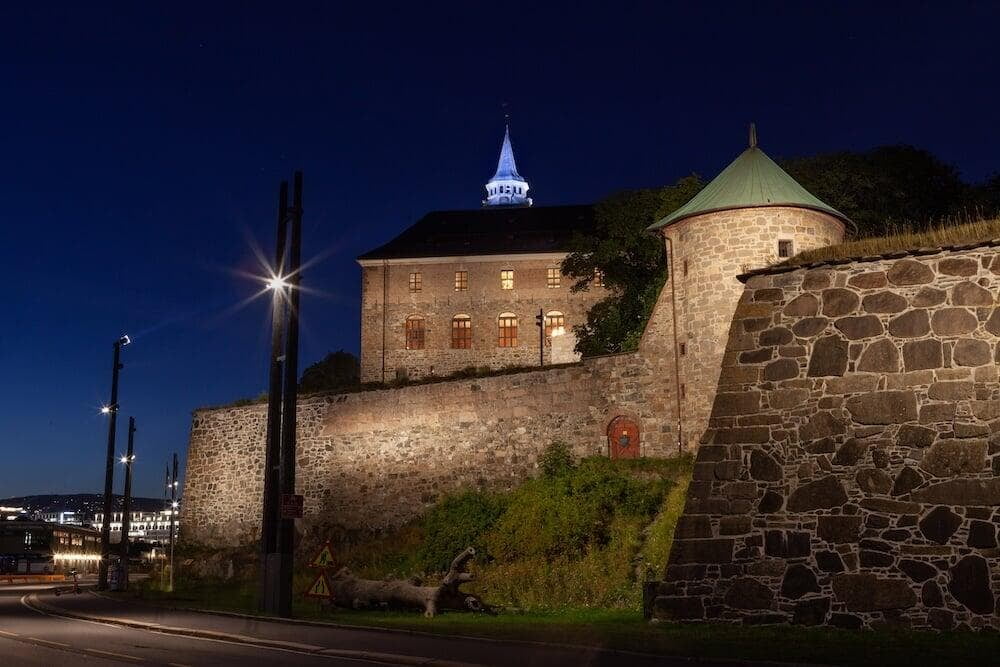
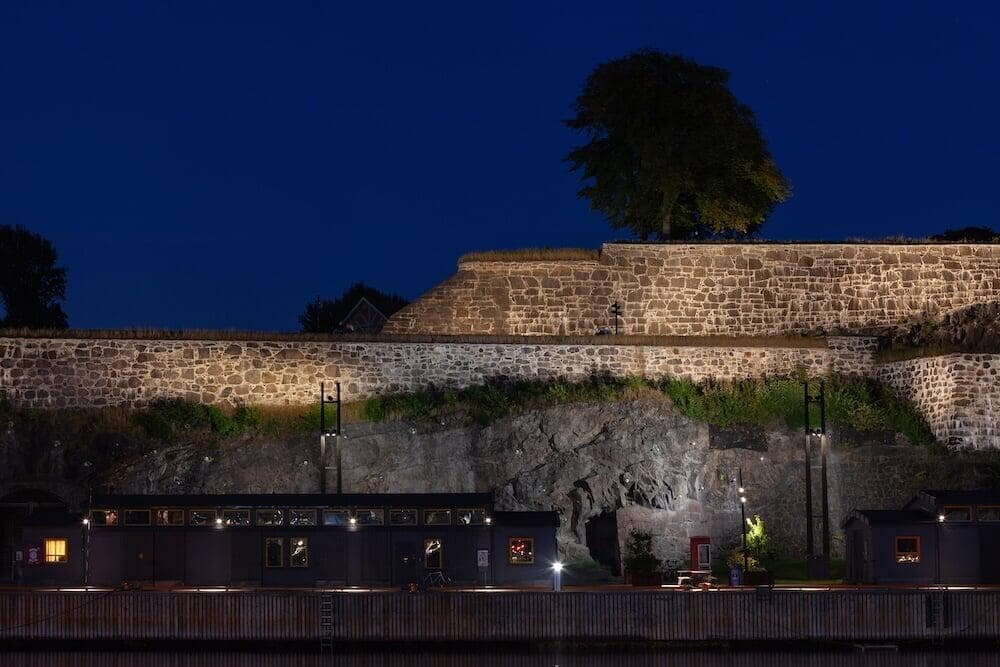
The lighting design for a comprehensive renewal of the exterior illumination of Akershus Fortress in Norway by Oslo-based Zenisk has won both a Build Back Better PLATINUM and GREEN Award in the 2026 lighting category.
The lighting design for a comprehensive renewal of the exterior illumination of Akershus Fortress in Norway by Oslo-based Zenisk has won both a Build Back Better PLATINUM and GREEN Award in the 2026 lighting category.
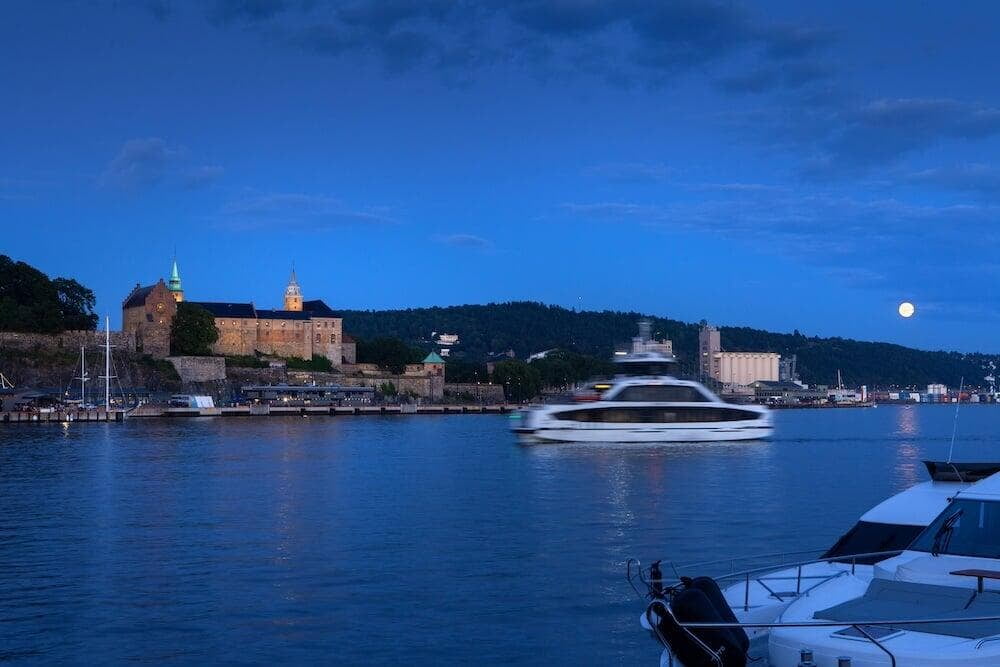
The scheme was developed with respect for the site’s historical significance, monumental scale and the public’s sense of belonging.
The project replaces an outdated system with a cohesive, energy-efficient solution that enhances both long-distance legibility and close-range architectural experience.
The fortress’ grounds are open to the public and are a popular recreation and tourist destination. The new lighting scheme ensures good legibility and orientation at night, while careful shielding and aiming of light gives a glare-free view from the walls over the Oslo harbour and city.
Rather than asserting itself through high luminance, the fortress merges naturally into Oslo’s nightscape with careful calibrated light levels.
Through controlled illumination, balanced contrasts and precise articulation of volumes, the fortress is conveyed clearly recognisable, demonstrating that identity is not dependent on brightness alone.
In prominent sightlines, cylinder masts with integrated light sources are used for an unobtrusive presence. Daylight appearance is a key consideration, ensuring a discreet presence both day and night.
Reducing operational and maintenance costs was a central ambition. This was achieved by reducing the number of luminaires per square metre and upgrading to modern, energy-efficient solutions.
Approximately 20,000 square metres along 3 kilometres of stone wall are illuminated using only 250 luminaires, connected through a wireless control system.
Existing cabling was reused wherever possible, reducing material consumption. The luminaires achieve an average efficacy exceeding 70 lm/W. Calculations show an estimated annual energy reduction of 58 per cent, with an installed wattage of 1,1 W/m2 for the exterior lighting.
When balancing the brightness the fortress beautifully fills out a black hole in the urban nightscape, visually subdued in context to the City Hall. The lighting is further dimmed down to a minimum during night hours.
The luminaires are all semi-modular, with the possibility to change the light source, driver or lens if needed, without having to replace the entire fixture.
Light pollution is avoided by using precise optics and placing equipment as high as possible. Raising the luminaires off the ground was also done to prevent vandalism and accumulation of snow, ensuring a long lifespan with less maintenance.
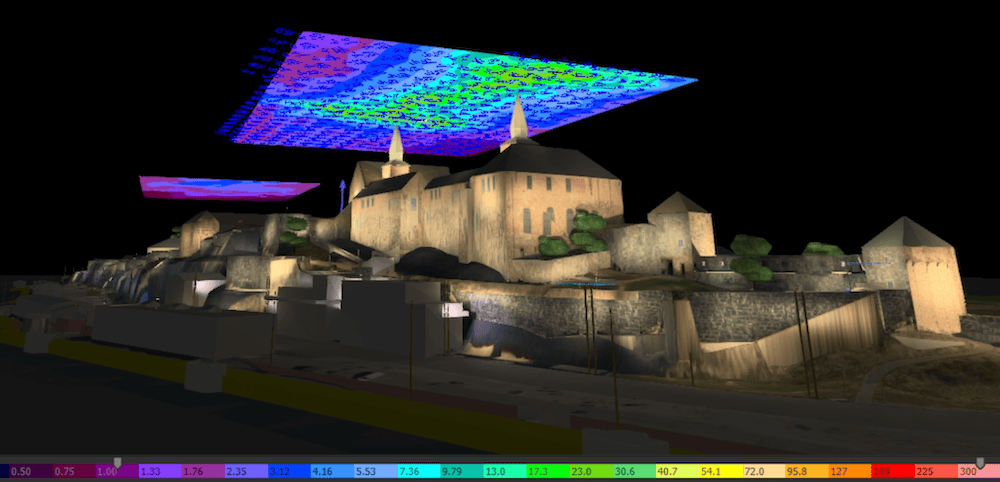
All light spill was further mitigated through lighting calculations, applying a measurement-grid above the fortress to control aiming angles and prevent upward spill. Illuminating trees was avoided all together, on account of the disruption of insect- and bird life, and seasonal growth cycles of trees.
Suppliers included Park&Anlegg, Riksantikvaren, Byantikvaren, NIKU, Oslo Havn, SML Lighting (Bega, Selux), Norasport, Lyskontroll and Lumenradio.
Photography: Mara Hein